









Creating a productive home office space is essential for anyone working remotely or managing tasks from home. A well-designed workspace not only helps you focus and stay organized but also promotes comfort and reduces stress. Whether you have a dedicated room or just a corner in your living area, these tips will help you set up an efficient and inviting home office.
1. Choose the Right Location
Consider your needs: Select a space with minimal distractions and enough room for your work essentials. Ideally, pick a quiet area away from heavy household traffic.
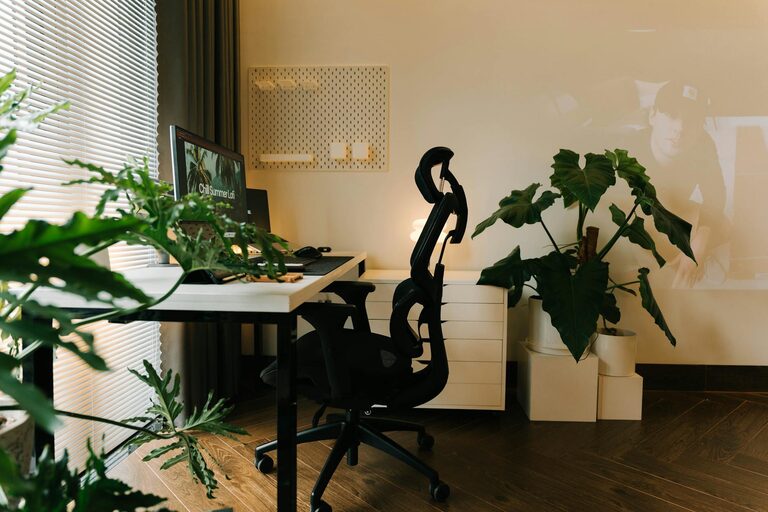
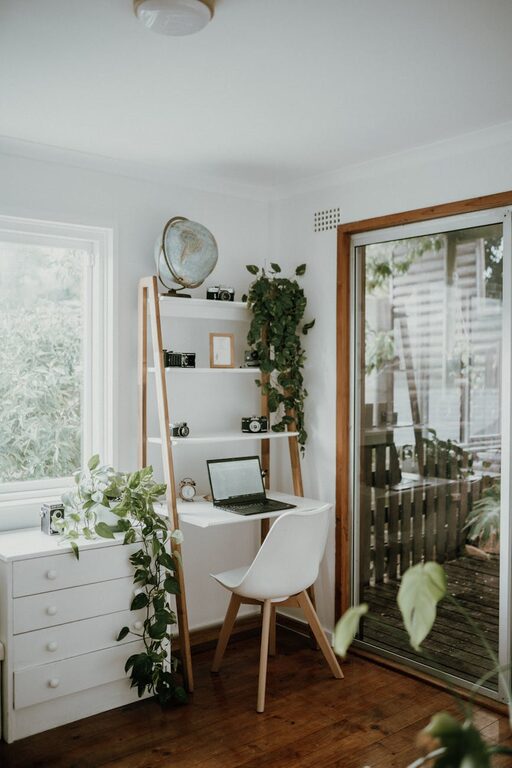
Natural light is key: Position your desk near a window if possible. Natural light improves mood and reduces eye strain, making your workday more pleasant.
Manage noise: If your area tends to be noisy, consider soundproofing options like rugs, curtains, or noise-cancelling headphones.
2. Invest in Ergonomic Furniture
Comfort is crucial: A good chair with proper lumbar support can prevent back pain and improve posture during long work sessions.
Correct desk height: Your desk should allow your hands to rest comfortably while typing, with elbows at a 90-degree angle.
Adjustable setups: Consider an adjustable desk that lets you alternate between sitting and standing to promote better circulation.
3. Keep Your Workspace Organized
Declutter regularly: Remove unnecessary items to keep your workspace tidy and focused.
Use storage solutions: Shelves, drawers, and organizers help store documents and office supplies out of sight yet easily accessible.
Cable management: Use clips or sleeves to keep cords neat and prevent tangling.
4. Optimize Lighting
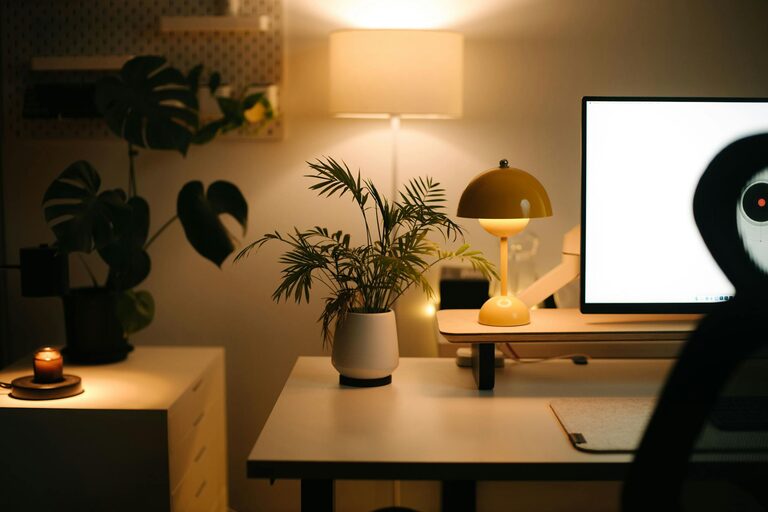
Layered lighting: Combine natural light with task lighting such as desk lamps to reduce eye strain.
Adjust brightness: Use adjustable lights that prevent glare on your screen and allow for comfortable illumination throughout the day.
Color temperature: Cooler lights can increase alertness during daytime, while warmer lights are better for late afternoon or evening work sessions.
5. Personalize Your Space
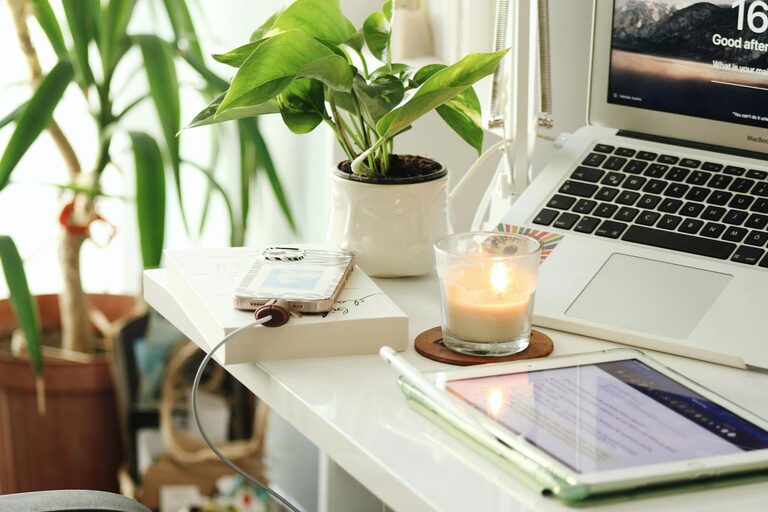
Add plants: Greenery improves air quality and adds a calming element to your workspace.
Inspire yourself: Decorate with artwork or motivational quotes that encourage productivity.
Comfort touches: Incorporate items like cushions or cozy throws to make the area inviting.
6. Minimize Distractions
Set boundaries: Communicate your work hours to family or roommates to reduce interruptions.
Limit digital distractions: Use apps or settings to block non-work-related notifications during focus time.
Sound environment: Consider playing background music or white noise if it helps you concentrate.
7. Ensure Adequate Technology
Reliable internet: A strong connection is vital for video calls and online work.
Proper equipment: Use a good quality monitor, keyboard, and mouse to improve comfort and efficiency.
Backup solutions: Keep chargers, external drives, or cloud services ready to avoid data loss or downtime.
8. Encourage Movement and Breaks
Take short breaks: Stand up and stretch periodically to reduce fatigue.
Incorporate movement: If space allows, consider a small area for quick exercises or walking.
Stay hydrated: Keep water nearby to maintain energy and focus throughout the day.
—
Creating a productive home office is about balancing functionality and comfort. By thoughtfully selecting your workspace, organizing effectively, and caring for your well-being, you can turn your home environment into a place where productivity naturally flourishes. Remember, the perfect home office reflects your personal work style and needs, so feel free to adapt these tips accordingly.