










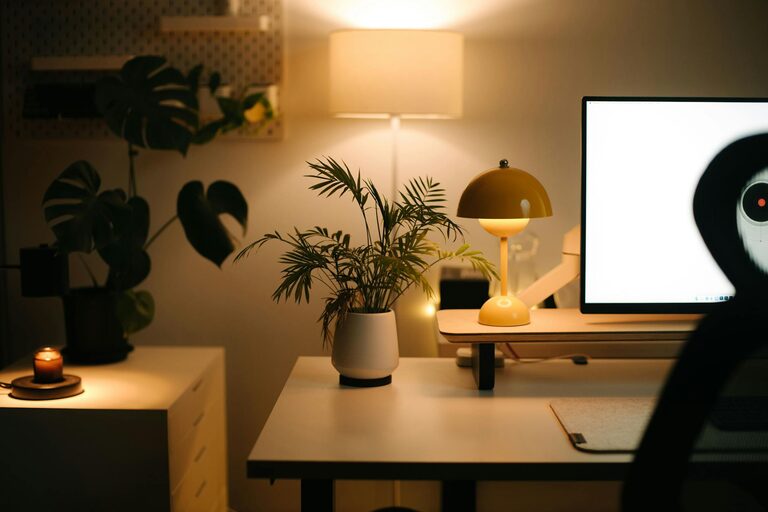
Creating a cozy and inviting home workspace can make a big difference in your comfort and productivity. Whether you work from home full-time or just need a dedicated spot to manage tasks, a well-designed workspace boosts focus and reduces stress. Here we’ll explore simple, effective tips to help you build a workspace that feels both comfortable and inspiring.
Choose the Right Location
Before anything else, pick the right spot in your home for your workspace. Consider these factors:
– Natural Light: Position your desk near a window if possible. Natural light uplifts mood and reduces eye strain.
– Quiet Space: Choose a quieter corner of your home to limit distractions.
– Space Availability: Ensure there’s enough room for your desk, chair, and any tools or storage you need.
Finding a peaceful, well-lit area sets the foundation for a cozy workspace.
Invest in Comfortable Furniture
Your furniture impacts your comfort and posture throughout the day.
– Ergonomic Chair: Choose a chair that supports your back and encourages good posture.
– Desk Height: Your desk should be at a height where your elbows are roughly 90 degrees when typing.
– Additional Seating: If space allows, add a small comfy chair or bean bag for breaks or reading.
Comfort prevents fatigue and helps you stay focused longer.
Personalize Your Space
Personal touches make your workspace feel welcoming.
– Decor: Add framed photos, artwork, or inspiring quotes.
– Plants: Small indoor plants improve air quality and add a touch of nature.
– Color: Use calming colors with paint or accessories like cushions and rugs.
Personalizing your workspace turns it into a place where you enjoy spending time.
Organize with Smart Storage
Clutter can distract and stress you out. Keep your workspace organized using:
– Shelves: Wall-mounted or desk shelves keep supplies accessible but neat.
– Drawers and Containers: Use labeled storage boxes or drawer organizers.
– Cable Management: Use clips or sleeves to keep cords tidy.
A clean area makes working more efficient and relaxing.
Optimize Lighting
Good lighting reduces eye strain and energizes you.
– Task Lighting: Use a desk lamp with adjustable brightness for focused work.
– Ambient Lighting: Soft overhead lights or lamps create a warm atmosphere.
– Avoid Glare: Position your screen to minimize glare from windows or lights.
Balanced lighting enhances comfort and productivity.
Add Cozy Textiles
Soft textures make your workspace inviting and pleasant.
– Area Rugs: A rug adds warmth and reduces noise.
– Cushions and Throws: A seat cushion or throw blanket enhances comfort.
– Curtains: Choose curtains that filter light gently to create a relaxing vibe.
These details bring in softness and a homey feel.
Incorporate Technology Thoughtfully
Technology supports your work but avoid clutter.
– Essential Devices: Include only what you truly need for your tasks.
– Wireless Options: Use wireless keyboards and mice to reduce wires.
– Headphones: Noise-canceling headphones help focus in busy environments.
Keeping tech simple and organized helps maintain a calm space.
Establish a Routine and Boundaries
Finally, building good habits enhances your workspace experience.
– Set Work Hours: Define clear start and stop times to separate work and relaxation.
– Break Area: If possible, have a designated spot nearby to step away from your desk.
– Daily Tidying: Spend a few minutes each day clearing your desk.
A routine and clean environment encourages productivity and balance.
—
Creating a cozy and inviting home workspace is about combining comfort, organization, and personal style. By selecting a great location, investing in good furniture, and adding personal touches, your workspace can become a place you look forward to using daily. With a few thoughtful adjustments, your home office will support your well-being and work success alike.